Showing posts with label Tables. Show all posts

Thursday, January 11, 2018

What they Sought in the Great Desert


If my decomposing carcass helps nourish the roots of a juniper tree or the wings of a vulture—that is immortality enough for me. And as much as anyone deserves.
-Edward Abbey, Desert Solitare

...And even when a road hazards its way over the desert, you will see it make a thousand detours to take its pleasure at the oases. Thus, led astray by the divagations of roads, as by other indulgent fictions, having in the course of our travels skirted so many well-watered lands, so many orchards, so many meadows, we have from the beginning of time embellished the picture of our prison. We have elected to believe that our planet was merciful and fruitful. But a cruel light has blazed, and our sight has been sharpened...
Wind, Sand and Stars, Antoine de Saint-Exupéry

The Mojave Desert, CA, source

1d10 Things You Might Find When Crossing the Great Desert


1: Heaven's Gate
They say that out in the rock and sand, where the sky curves under the great weight of the Heavens, on windy days the hangings that veil mortals eyes from the glory of Heaven brush and dance across the lonely sands. Patient pilgrims wander the high places sometimes meditating on the zenith of a mountain for a weeks at a time, hoping to see the parting of the veil and glimpse Paradise. They sigh with contentment, their souls soothed by the promise of glory, and they pick up and leave the desert better than they entered.

Other, less scrupulous seekers wait below. They wait for the drapery of Heaven to skim across their dunes, after them they gallop on black horses lean from hard years and water scarcity. The legends say that if you ride fast enough even the foulest of sinners can grab a hold and climb their way into the Heavens.

Or perhaps it was simply a passing Sky City built on a lump in the sky...


2: The Book of Dreams

It is well understood that in the Great Desert you can sometimes find the Book of Dreams. You'll see it when you sleep first, sitting on a desk behind your grammar school teacher or in your parent's basement that you have to clean. You might not even notice it those first few nights, but if you happen to be headed to the book in the material realm it will start to take more... noticeable... roles in your nightly ethereal wanderings. You may be crushed by it or fall off of it, you may be chasing it down endless corridors or trying to keep it from sinking in a lake of shell-less snails. You know, anxiety dream stuff.

The Book of Dreams is not trying to sell you stuff like a Dream Merchant, it wants you to find it in real life and read it.

Most stories say that you will find the book in the possession of a noble knight or wise priest, but usually its just a sleepy person. They generally will glad to be rid of it, others will fight you ferociously for a chance to glimpse its pages.

Everyone's experiance reading the Book is different: 1d6
1-3: It reads like someone else's dream journal, mildly interesting but mostly incoherent. Makes you drowsy
4: Get sucked into a nightmare! The Book is gone when you awake
5: Fall into a deep sleep and wake up knowing a new random spell. You can no longer read the Book, its just gibberish. Compelled to check the book often just in case you can read it again
6: Gain the ability to enter the Realm of Dreams, but only when you have the Book in your possesion


3: A Place to Find Yourself

Austere landscapes separate the wheat from the chaff. Long hours in the warm sun and under the bright stars can elevate the spirit and cleanse the body of evils. Sweat can cleanse, and a simple diet and quiet habits can expel disease and other maladies of the body and soul.

Some simply wander, looking for a modest water hole and some shade to heal and grow. For every year spent in the desert only doing quiet and contemplative actions (no adventuring, item creation, spell research, etc) you can get a re-roll on a single failed disease check, or you can use these rules for personal growth.


4: A Place to Loose Yourself

Not everyone finds solace in the hot sun and the cold stars. Life in the desert can bend the back and and break the will. As life becomes more desperate those that were once strong turn to stone licking and cannibalism for survival.

Perhaps they turn to ghouls that walk the dunes at night looking for travelers, and if you don;t keep close watch you may awake with gritty hands strong and desperate in their strangle hold around your sweet warm neck.

Worse yet a spirit of hunger and famine could be born in such despair, a wendigo could hunt in the dunes. This is especially common of the souls upon large failed expeditions where they lingered in starvation for months while they consumed their brothers.


5: Star Children, to Raise Them in the Light of the Lord

There is a high desert plateau, far from any watering hole where the caravans and tribes to not trek, upon which the stars fall. At their cores sleep giants made of molten glass who breath radiation and death. After cooling they begin to crack open their vessels and to behold this new world they have come to with mute horror or confusion.

Are they beings from another place, crashed on our planet out of desperation or long intent? Are they the stars themselves, sick of watching terrestrial affairs from far above? Are they fallen angles, cast out of the Heavens? Are they cast aside experiments from some higher being living on a moon?

Who knows!

All that matters is that the faithful find these dripping behemoths and make sure they are converted. Word of a Star Child fetch a fine fee at any pilgrims church on the outskirts of the desert, a living and walking one will provide you with favors from the Church, perhaps even an audience with a bishop... For what better examples of the ever-forgiving light of the Church than to tour the civilized world to demonstrate that anyone can be forgiven?


6: The Sands of Time

You can see the bent figures scouring the dunes in the heat of the day, mirages dancing about them while they remain sullen dark smudges. With noses bent nearly to the ground their many lenses flashing in the abundant light, they search. With delicate tools they pick up individual grains of sand upon which the focus their lenses. Their hauls hang at their belts in pitifully small sacks.

They are collecting Time.

Wretchedly small amounts of Time, but Time none the less. And when their sacks are full they leave the desert to sell their haul to the wizards who wish to make hourglasses.

Up close the Tardy Sifters, as they call themselves, are a sun burnt, bent over, leathery, squinty eyed, and slow moving bunch. They aren't great conversationalists, but they do have a wizard contact at the nearest oasis they could get you introduced to for some water skins and food. Or, if you are feeling a little more murderous, you could kill them and take their sack of Sand. What kind of Time is it? You'll have to inhale some and find out...


7: Meet the Devil and Know His Temptations
...and perhaps strike a deal.

On cold nights when there are no moons and the scavengers cackle just out side of you camp's dungfire light, the Devil dances across the sand and plays his xalam to the beasts of the night. Should the Devil spy your fire he will approach and with utmost courtesy ask to share in your hospitality and companionship.

If you refuse the Devil you must extinguish your fire and flee into the night, running from his tune until you cannot hear it. As you flee the Devil will haunt you until dawn or your death, inciting the creatures of the desert into a wild hunt. He will call your name and know you have defied him. If you brave the darkness and elude the Devil as dawn breaks he will forget your name and you will have defied him.

If you accept the Devil you must offer him food and drink, then regal him with song, verse or story. If he is pleased we will offer you a boon from his shoulder sack. If he is displeased he will offer you a boon from his hip pouch. Both contain wondrous things, both at the cost of your soul to be collected at your death or in a year and a day's time, respectively. Refusal is incredibly impolite.


8: A Wise Hermit
There are a lot of cooky people that live out in the Great Desert. Prophets and madmen are often driven for well watered lands, they find that their persecutors stop when the dunes and rocks begin. They might be siting atop a column. Or just hanging out. Or maybe they are all wizards?

I dunno, but one of them probably knows something you want to know, best to talk to them all.


9: Bones from Eons Past, Exposed by Wind From Cold Stars
Bones are pretty useful. You can use them to make stocks.  You can use them for fertilizer. You can use them for spooky decorations.

Or, if you have the inclination... and the time... and the finances to fund a multi-month expedition... and the required skills... and an evil intent... and tenacity, you can search the Great Desert for and excavate the bones of long dead terrors to tap their ancient power for your own benefit. If you are lucky, or just rich, you can obtain a complete skeleton to animate.

But that is terrible bad luck.


10: Simply Find an Oasis and Rest
The desert is a hard place to travel. The ground can be soft and make walking and pulling carts hard or be hard and make footing uneven and rough. The wind blows constantly with no vegetation to slow it, sandstorms range from irritating to deadly. The sun bears down intensely causing sunburns and dehydration and exhaustion, and when its not in the sky warmth flees from the desert for bitterly cold nights. Foraging and hunting all day may not yield even a mouthful of edible material and leave you tired and demoralized.

The Great Desert is not a place for the weak.

Oases are.
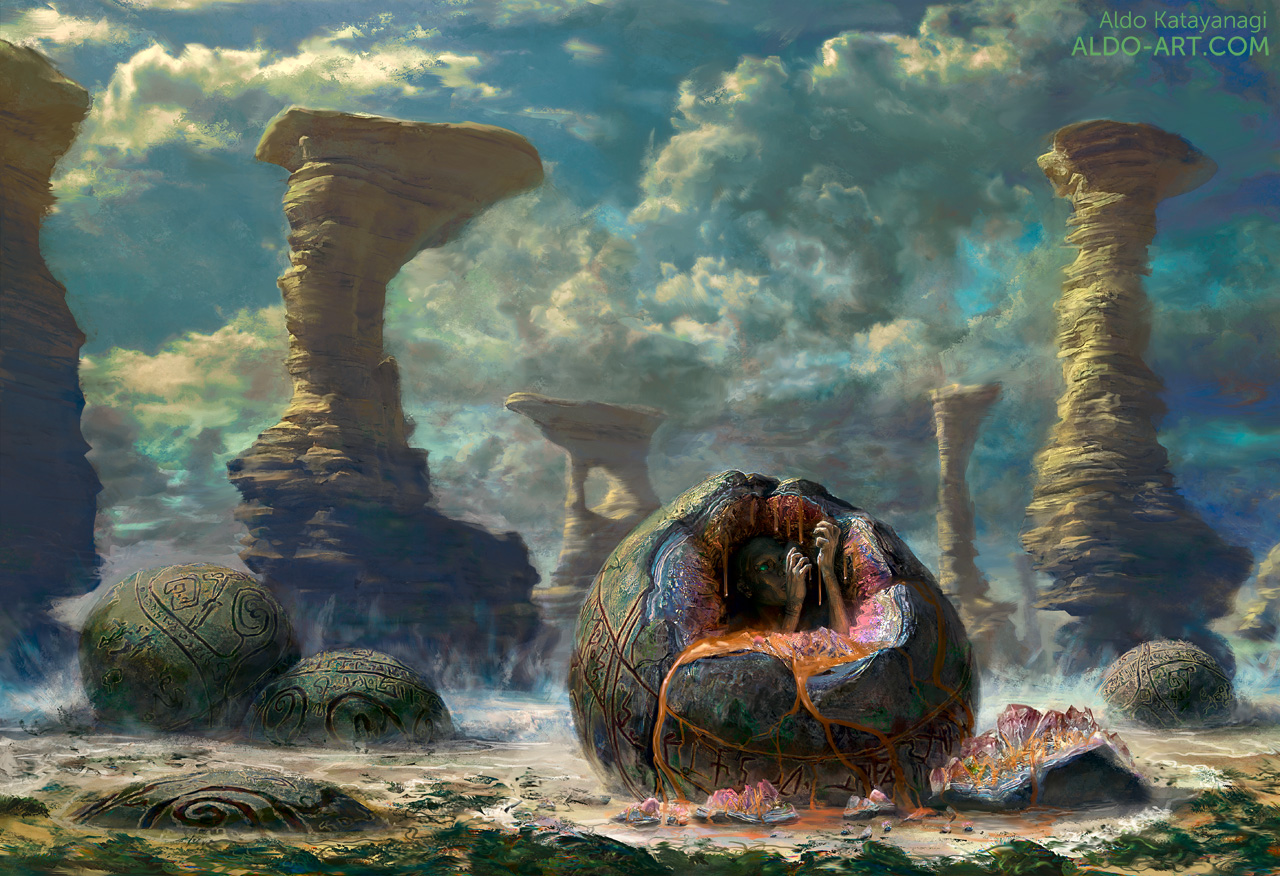
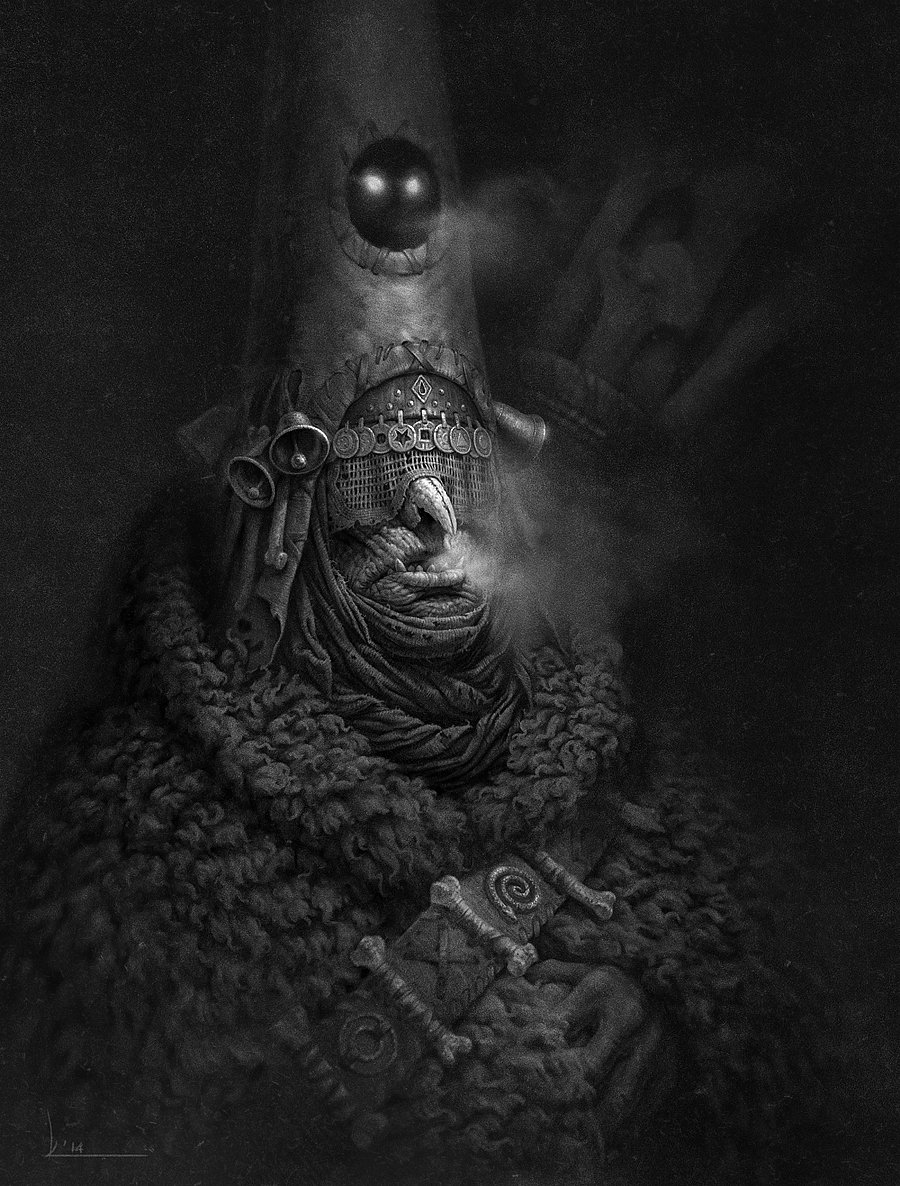
Star Child, source

Thursday, August 17, 2017

The Disremembered Tribes and their Patron Daemons

(Just a fluff post continuing to flesh out my home setting Ánemos)

(I'm eventually going to re-write my Intro to Ánemos post, compiling all of the fluff and islands and monsters and ships and cultural ideas and generators and tables I have written for the setting so that someone can just open one page and play in the setting. Eventually.)

The Tribal Government of the Arsuf Islands:

The Tribes of Arsuf are more than just an ethnic group, they all participate in a regional government known as the Comitia Tributa (this form of governance is loosely based on the Roman "Tribal Assembly", the Comitia Curiata, that are defined by the 30 curiae that are in turned based of off three ancient tribal lineages in Rome (the early Republic was super interesting. There is a very very good RTS based in this time period)).

The Comitia solves inter-Tribal disputes of a very specific scope:
  • Economic; no selling goods dishonestly or monopolies, especially no price fixing or collusion with other Tribes for profit. The goods must flow.
  • Philosophic; no propaganda campaigns against other Tribes, the ruling Tribe of an island get full thought control. Minds must be kept compliant.
  • And most importantly, Militant; there is to be no use of resource destroying methods for the Sea is a barren enough place and the fertility of the few islands must be preserved. Conquest is encouraged, for the strong deserve to rule, but foolish squandering will be punished.
These disputes are heard and judged in an open court where every Tribe has equal voice, housed atop one of the great monoliths in the sacred island-city of Ierá Aktés. This mountainous Court is also the temple of the lion headed goddess of Law and Vengeance, the Judge Léaina. No Tribe lays claim to the holy shores of Ierá Aktés, but each of them builds and maintains a sovereign fortress within the city where their laws stand (these are especially useful after the Comitia has made a decision, more on that in a second). Léaina presides over the Comitia and drinks the blood of equivocators so that no lies are uttered in the Court.

Many of the decisions made at the Court are reflective of the crime. Economic slights are met economic sanctions for a year and a day. Philosophic attacks will be met with firm refutation of thought and reinforcement of preferred ideals. Military crimes are met with military actions, where identical violences against a Tribe are allowed to be repeated in order to teach the Law breaker.

Ierá Aktés (source)

Judge Léaina's Court (source)

The Disremembered Tribes

A Tribe that does not agree with the ruling of the Court has the option to go rouge, to spit on the conventions and traditions of the Comitia Tributa and stand defiant or flee Arsuf. There are legends of Tribes standing up to the fury of the collective Tribes, that stood firm in the face of opposition, and that eventually laid bare some conspiracy against them to show that their cause was righteous. And the righteous always win in the end...but these are legends.

In the modern Age a Tribe who has been condemned by the Court has a better chance of survival by taking to their Clancraft and leaving Arsuf. There they can decry their ill luck and damn their enemies. There they can lick their wounds and pray to Gods that they abandoned who will never hear their prayers. There, on the tumultuous Sea, they make pacts with Daemons.

Lost Tribe Daemon Binder (source)


Their Patron Daemons

You are a child born on a Big, Old, Boat. All of your siblings were born on this Boat. Your parents were born on this Boat. But your grandparents talk about when they lived on the land, when they ruled a whole island, when they were a real tribe. But the Boat is the only world you have ever known. You have been on land a few times, but there aren't enough enough fish there, it's too hot, and everyone looks at you funny. You like the Boat, the Boat is where your Daemon lives. The Daemon is scary, but it keeps everyone on the whole Boat safe. It's a small price to pay for safety...

You get the idea. To stay safe when the world has agreed that you and yours are dangerous scum means making allies where others wouldn't even look.

Daemons want offerings for their service. The Tribe's Binder will have formed some agreement with the entity, "You keep us safe, we'll give you the blood of our young every new moon and I will not share your truname with other Binders". Since Daemons are the manifestation of some dark part of a group's psyche the offerings they demand nurture that dark emotion.

In return for their favorite horrible emotion the Daemon will manifest however the Binder wishes and will fight their battles (you can treat this as some ambiguous large-huge monster with 4-10 HD and flavor specific abilities). The larger and more emotional the Tribe the more terrific their Daemon.

When a Tribe has a dispute with another Disrememebered Tribe tradition dictates that they will both summon their Daemons and have them engage in a clash of words, a debate. The winner of the debate consumes the form of the loser and that Tribe is victorious. Its a common trope in the Legends of the Isles to have the wandering hero come across two Clancraft tied together on the high seas while titanic Daemons bicker at and debate each other across the decks about the state of politics in Minoa, the price of mutton on Sheep's Head, or what it means to live a good life.

When Tribes clash with outsiders they do not lend them the courtesy of their words, instead the invoke their Daemon to empower them. If they are in high favor the Daemon may even manifest to join the combat themselves.

1d10 Patron Daemons:
  1. Asag the Dark Drinker: Asag hungers for the words that are whispered in the dark out of anxiety. She lurks in that darkness and groans with pleasure as the words are uttered. Asag's favored can cloak themselves in darkness and she will debate their foes with dark logic and nihilistic tendencies.
  2. Abyzou that Drinks Our Tears: Abyzou craves the tears of terror, not tears of grief or sorrow or happiness but pure terror. As often as not it is Abyzou themselves who strike this terror in the dead of night or the flames of battle. Those that appease Abyzou will find that they can resist their worst fears when needed and he will berate his debating opponents with an encyclopedic knowledge of human nature's shortcomings.
  3. Ronwe the Wizened: Ronwe thrives on the little complaints an aging body makes. When the back aches and the eyes darken the curses of the Elders strengthen his power. But when they need to Ronwe's supplicants can shrug off the yoke of age and fight as in their prime, all the while he explains in the patient tones that come with the wisdom of age why he is correct.
  4. Barbatos the Swollen: Stomache aches from rotten food are Barbatos's favorite misery. The Tribe who patronizes him feasts on fetid meats the night before conflict to empower their fearsome protector. Come the engagement the feasters can use battle emesis while he paints straw men out of his opponent's arguments to watch them crumble.
  5. Beleth the Smoldering: They lay out on deck all day, nurturing their puss filled burns and moaning at the pain of it. Their discomfort is the anguish that Beleth draws her form from. When the flames of combat are high her Tribe will not feel the lick of the flames while they burn their enemies and she will use her fiery rhetoric to argue for her side.
  6. Eligos the Cutting Gale: With dark clouds on the horizon fear of the storm wells in even the heartiest of sailors chests, and Eligos drinks up the terror of the strong like water. Come their time of need though the sailors in the Tribe stand firm to ride the gale into battle, while Eligos's keening voices and verbose arguments overwhelm her challengers.
  7. Agares who Sees: When ennui bogs down the heart and mind, when utter world weariness overwhelms, or when sheer dread of the unknown and unknowable seeps in Agares is there to soak it up and in so doing stoke it. In conflict his Tribe is unshakable in their belief while Agares's opponents are met with his razor insights and worldliness.
  8. Buer the Shifting: They stare into the mirror and see a torso too think or too thick, sagging flesh hangs off of bones, wrinkles appear and are loathed; the imperfections of their body and the frustration that breeds is Buer's favorite dish. But when needed they cast aside their doubt and turn it to their foes who waver with their advance, while Buer attacks the moral fiber of his opponents with cruel mockery.
  9. Paimon who Hungers: They are happy they claim. Their partner is the one they want, their soulmate. They settled down with them, had children with them. But still, they wonder, what if I had chosen another? Don't I still think of them sometimes? It is this doubt and insecurity that nourishes Paimon. When called upon he will cast visions of lost loves to distract enemies while he uses traditional logic that all recognize as truth.
  10. Aka Manah the Laughing: It is a rare thing on the Open Sea, the sight of a strangers misery. They know their shipmates intimately, and strangers are kept at shouting distance for the most part. But Aka Manah must be kept happy. So they lay traps in the rock shallows, false lighthouses are built. And when misfortune finds the faceless men in the dark of night the Tribe laughs and blesses their own luck that they do not share their fate. And Aka Manah is glad and will lend some of the misfortune gathered by the Tribe back to enemies, and in debate she will stand tall and relate heart wrenching tales to sway others to her side.
You could also pull things from this list from Swords and Stitchery.

(Much of the idea for these Daemons comes from David Edding's concept of demons from his sprawling fantasy series The Belgariad and The Malloreon, magicians bind demons to a form of their choosing and make them fight. Its like Pokemon kinda)

Paimon who Hungers (source)

Eligos the Cutting Gale (source)

Vanth who would Posses (source)

Asag the Dark Drinker (source)

How to Use the Disremembered Tribes and the Comitia Tributa

One of the main themes of my Ánemos setting is a war of thoughts. Philosophers and wise men litter the Isles bickering amongst themselves, Magi and Priests quarrel about the meanings hidden in the stars, and senators and the chiefs of tribes debate policy. So what better way to ingrain your PCs in this oratory culture than a courthouse drama type encounter. This can occur in an expected place (the high court of a ruling body) or an unexpected place (between titanic daemons perched on massive ships on the open sea).

This is a superb example of how you might run a courthouse drama type encounter, by the illustrious Patrick Stewart from False Machine.

Saturday, June 10, 2017

Random God Generator, or Who Dat God?

Okay, so we have a nice simple system for simulating economics in Ánemos. It's easy. We have a random Spirit Generator, also easy. Let's create a system for another piece of the Weird Mythic Fantasy pie, the Gods.

This is a series of tables meant to flesh out the god of an island that your party may be visiting that you didn't have time to write out. These generation categories go in order of importance, and they are designed to also answer questions about the populous that worships them. Another design goal is to produce super weird results that will kick your brain stems out of creative inertia (at least that's the goal).

Some cools ideas are here too.

More Important:

Domain:

This is to distinguish the God from Spirits, their interests and scope of influence are simply very different. Think about it like the two tribes of Norse gods, the Vanir and the Aesir. The Vanir are more interested in the affairs of humans, the Aesir are manifestations of the forces of nature. Gods in Ánemos are concerned with human affairs: philosophy, drama, agriculture, writing, knowledge, etc. the Spirits on the other hand are the ID of the natural world.

(Borrowed some ideas from here)

Roll twice:

Taboos for the faithful:

Roll a few times on this, really as many as you need to make the religion sufficiently distinct. Some results may not make sense as written, for example: The Faithful...must always...buy or sell...birthdays...in the home. Thats okay. Re-rolls are encouraged.


Manifests As:

Now to create some flavor for the god, something you can tell your PCs to make them go "They worship a whaaat?"


Now you have a basic body plan and size, lets give the god some sort of strange detail, ideally based upon their domain. This is the time to throw in that weird trait you have been thinking of but never seems to fit, its a god, it can do what ever it wants! Below are some examples I thought up.


This may be helpful if you roll "mineral" as body plan

Boons:

Whats the point of having a god if you can't pray to them and they sometimes listen and do something crazy? Unfortunately (fortunately?) not all gods are created equal (might have something to do with the belief in them...). If the god can grant Moderate Boons, they can grant Minor Boons too of course. Try and stick with the domain of the god generated to give you some ideas. Think of this as a "power rating" of sorts, more powerful gods can grant greater boons.

Roll 2d6, drop the lowest.
(1-2) Minor Boon: Simple things, no heavy divine intervention here. Easing child birth (fertility domain), blessing the faithful with deep and restful sleep (sleep domain), wiping away painful memories (ignorance domain), giving a glimpse of the weather in the coming week (prophecy domain), etc.

(2-4) Moderate Boon: More significant intervention now, the faithful are truly lucky to be given one of these boons. Gifting a great week of feasts that strengthen and encourage the faithful (hedonism domain), favorable winds bring exotic traders (mercantilism domain), their long-eye spies an enemy form afar and warms the faithful (watchfulness domain), those that would wreak vengeance are given aid in the form of poisoned arrows (vengeance domain), etc.

(5-6) Major Boon: Fear ye all who oppose them, for their god is on their side... Direction on how to build a magical ship (travel domain), lending their strength to an army on the march (war domain), to hide their believers behind a bank of fog for a season to avoid their enemies (secrets domain), lending their deep intellect to aid in some great undertaking (science), etc.

Fanaticism rating:

Rolled randomly as a sliding scale, I want little islands of super fanatics and big islands of agnostics. This may indicate the "trajectory" the god and its believers are on, ie a "weak" god (one that can only grant minor boons) that has fanatic believers may in a few generations be able to start granting moderate boons as they wax in power.

This can also describe how strictly they follow the taboos of their religion.

Simply roll 1d10: 1 being casual/passive believers, 10 being fanatic believers.

Less Important:

Patron of this profession and this class:

The god you are generating should have people that tend to really like them. These are those people.
(The profession table I stole and altered from +Arnold K. from his GLOG system)

Roll once on each:


Favored Weapon:

I always liked how the gods in WotC's mythos always have a favored weapon, and that their clerics always have them. Its good flavor. This could also be used to deduce how this culture wages war.


Sacred Plant or Animal:

So you have a pretty good idea of what the god is all about, what are its two major symbols? These aren't critical, but I like the flavor of having a deity of being interested in a certain animal, so those animals just overrun the island because no one can touch them or something.

Here is a d100 animal table from here, reproduced with my fancy Excel color editing prowess and a d100 plant tables that I wrote (note on the plant table, it was really hard to choose a set of plants I felt were universally recognizable, throw anything out that doesn't fit in with your setting's ecology!).

Roll once on each.


Favors this trade good:

Roll on the trade table! As stated above, the gods' primary concern are civilized ones, so they tend to favor a specific good that their island produces. This generally gives respect to those that practice these trades as well.

Example God:

Alright, we have all the tools we need, lets walk through the steps and see what kind of god we get!
Domain: Peace, Justice
Taboos: The faithful must at dawn buy/sell feelings (anywhere).
Manifests as: Small, serpentine peacock
Boons: Minor
Fanaticism rating: Level 7 fanatics
Patron profession: Lumberjack
Patron class: Rogue
Favored weapon: Garrote
Sacred animal: Skunk
Sacred plant: Moss
Favored trade good: Alchemicals

This is the god Pagóni, Lady of the Serene Isle. Every morning her followers wake and weep or laugh or smile or frown or grimace or gawf or... into vials. They then take to the streets to barter and trade their emotions with one and other. Pagóni oversees this serenely, gentle floating on the morning sea breeze, her people once again safe from their own emotional burdens. All is ordered, everyone is calm and only feels what they paid for that morning. This is Pagóni's blessing, and her people love her for it.

Her temple is high on the Isle's mountain in a damp cave covered in moss with the music of water dully echoing on the soft walls. The woodsmen of  the Isle pray to her to be anointed with the musk of the sacred albino skunks, and their axe and saw strokes are sure and measured.

But all is not always well in the Serene Isle, and when enemies come to the Calm Folk, the footpads take to the night and strangle them gently in the dark, their callousness and hate and emotional flux is not welcome on the Serene Isle...

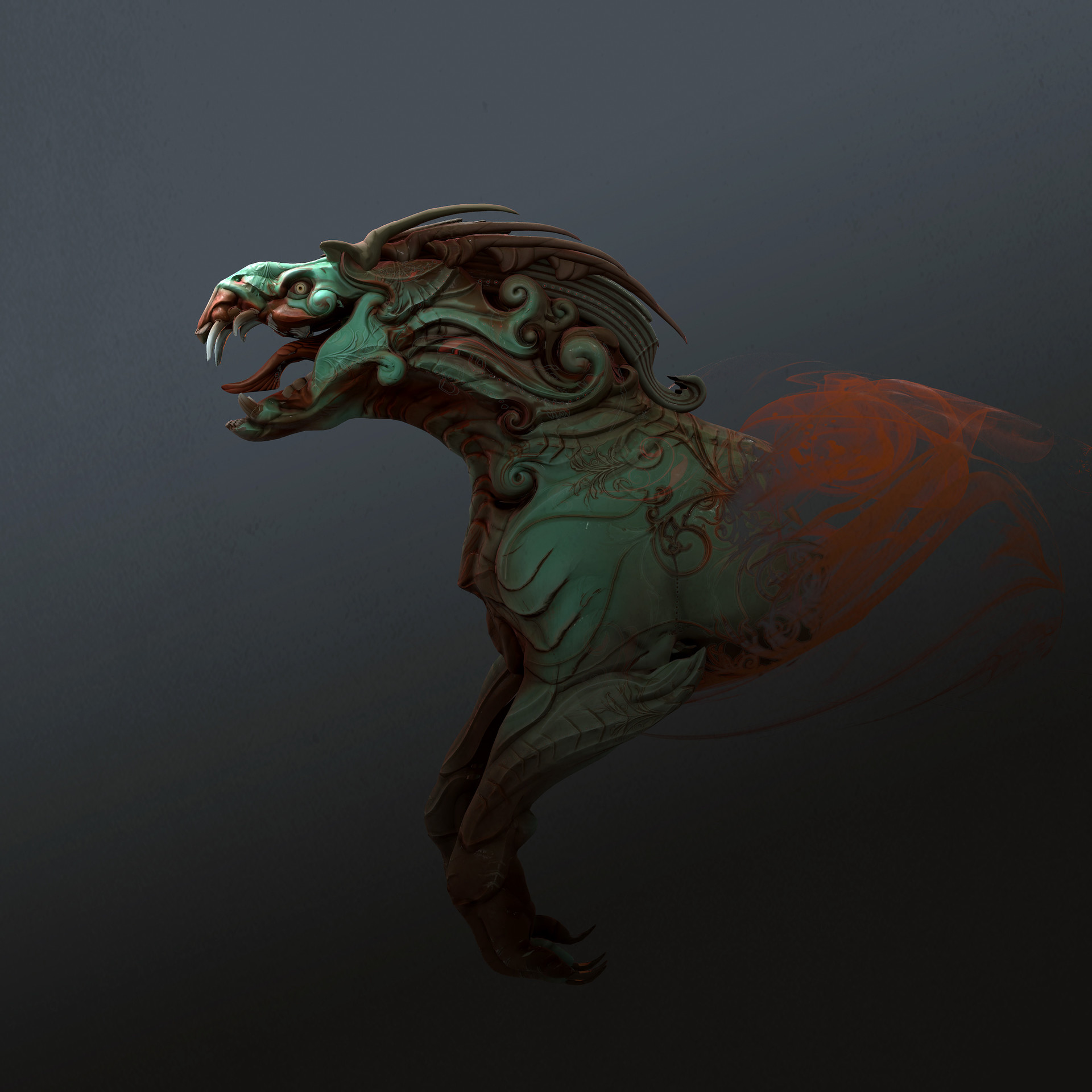
LIKE THIS BUT WITHOUT WINGS AND WITH A BEAK